Welcome to SK Art Alley's Gallery
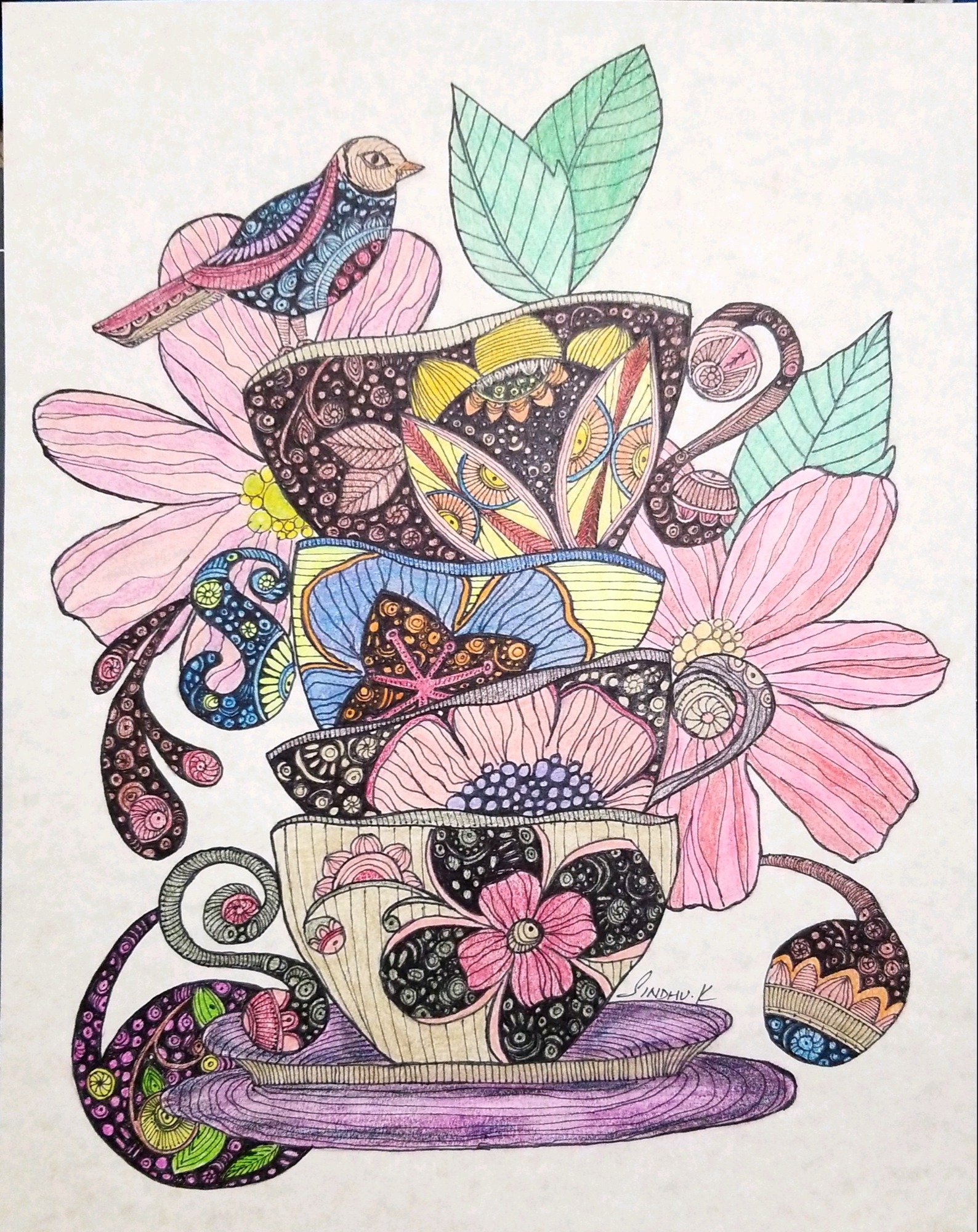
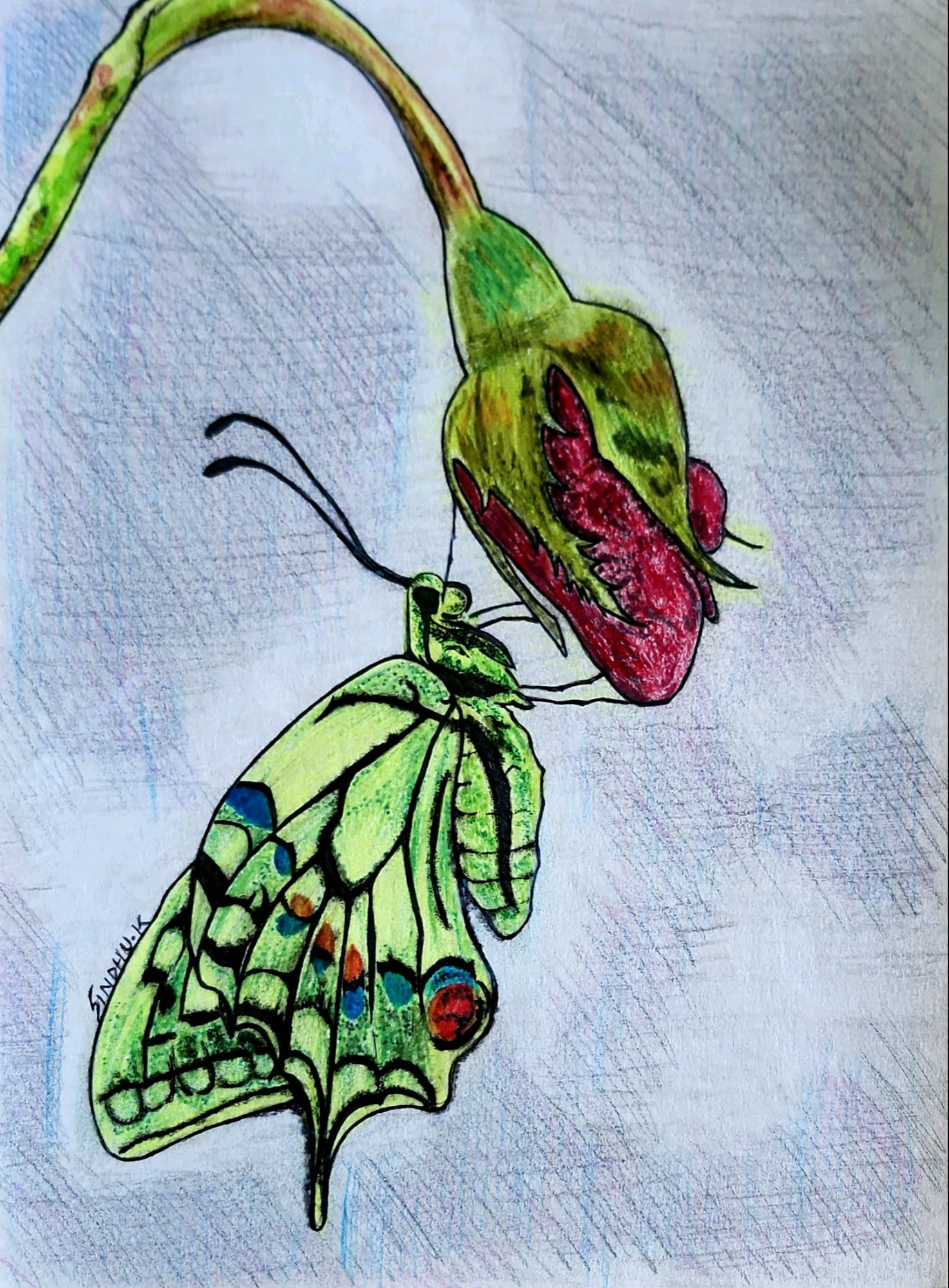
Animals
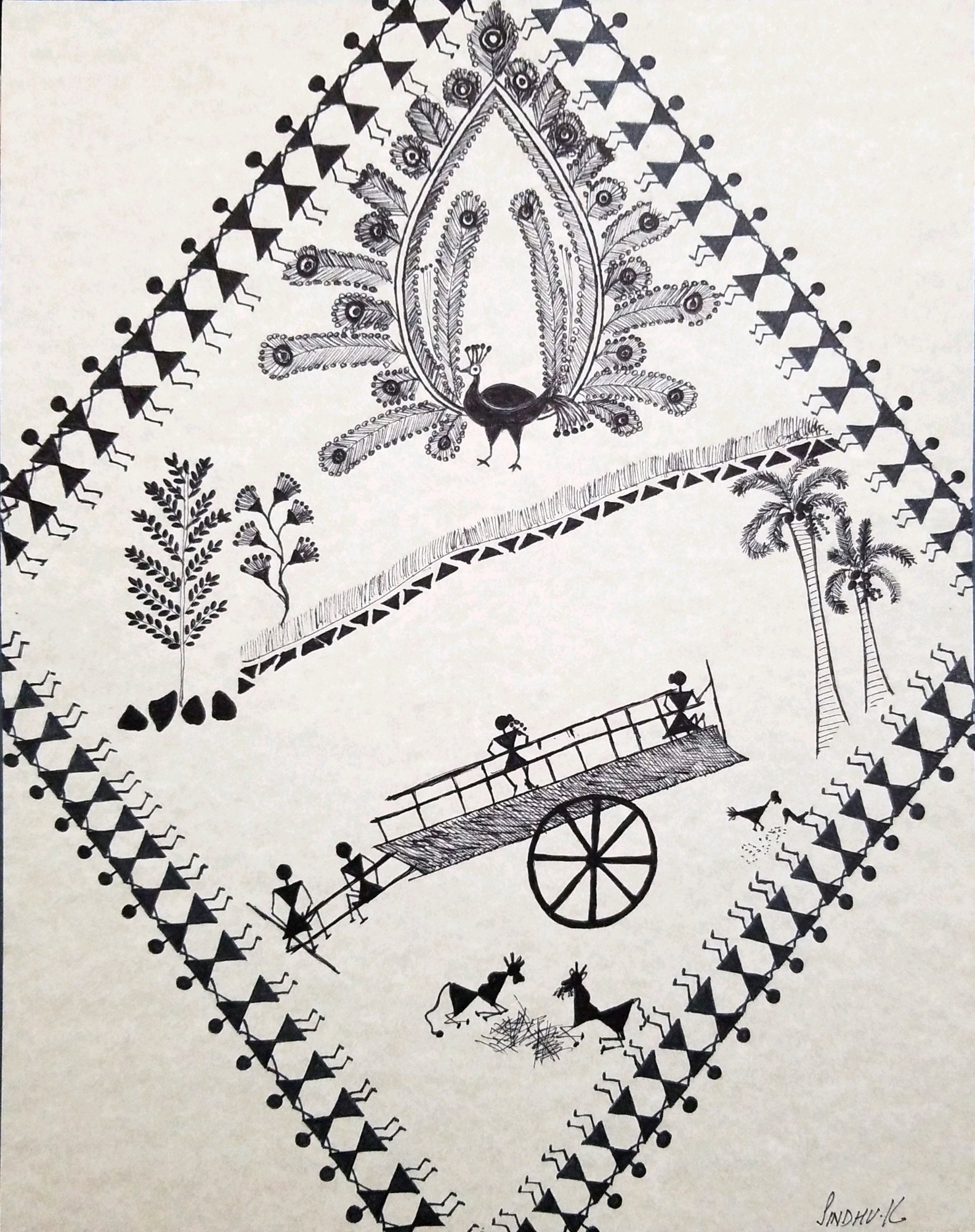
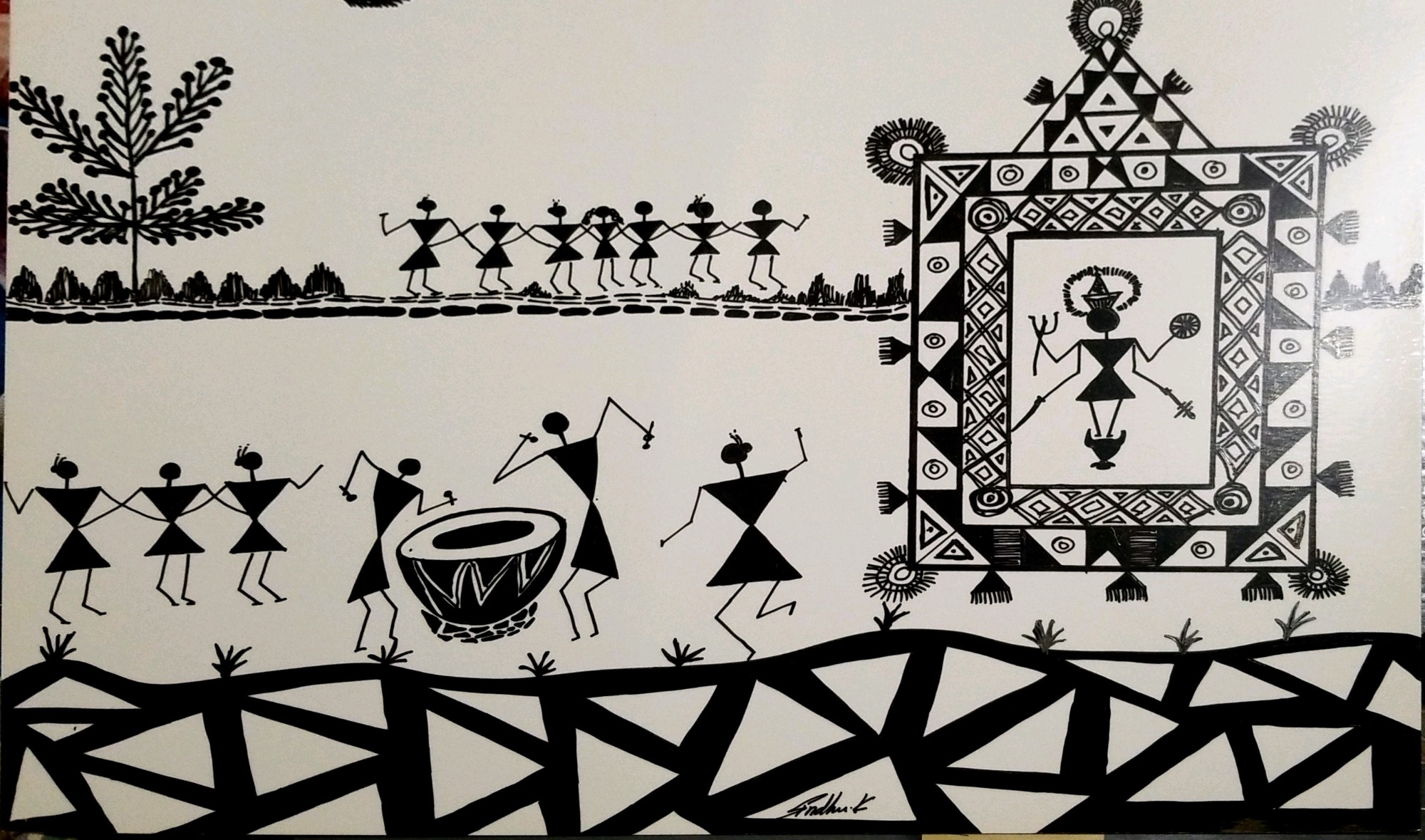
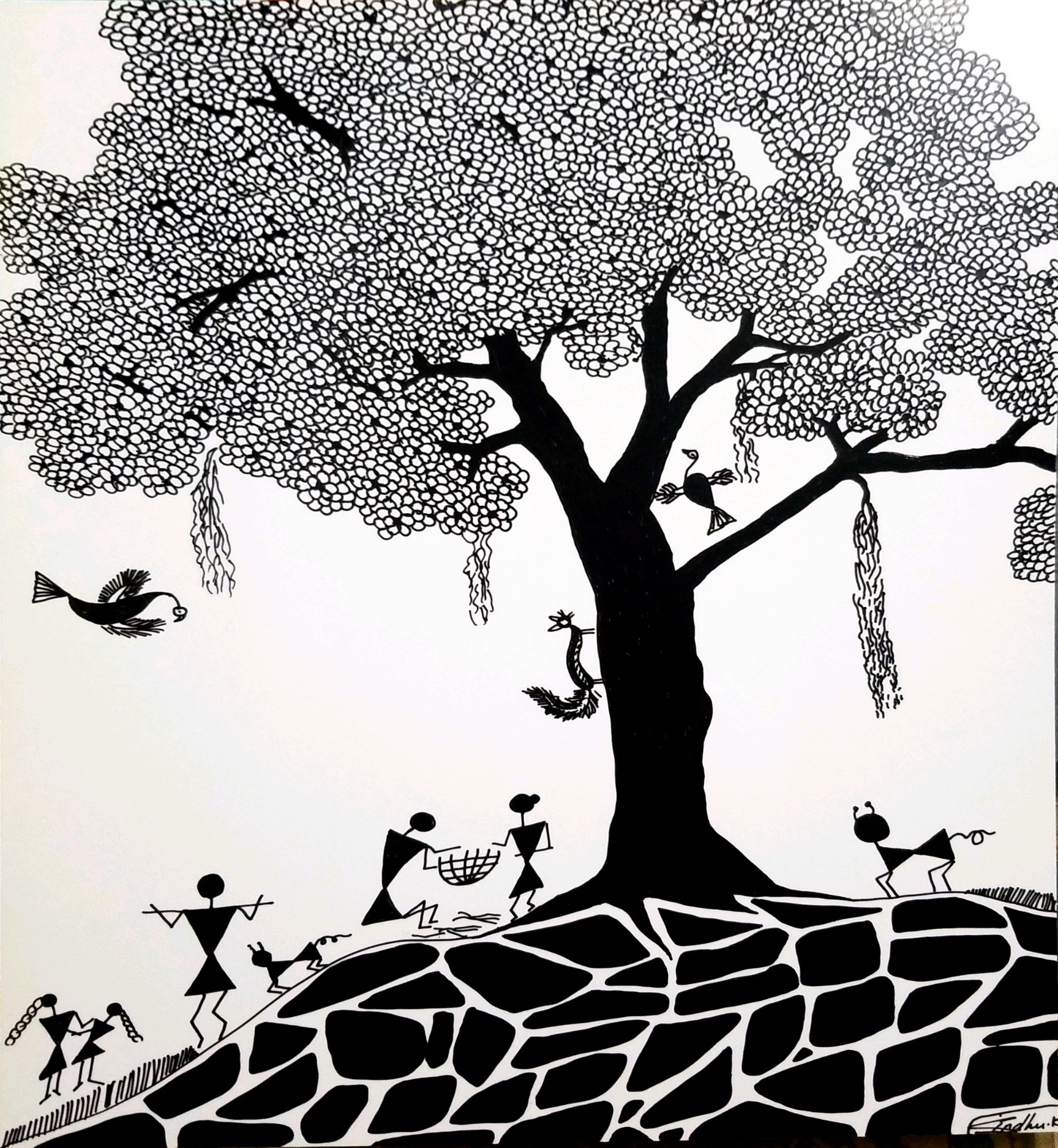
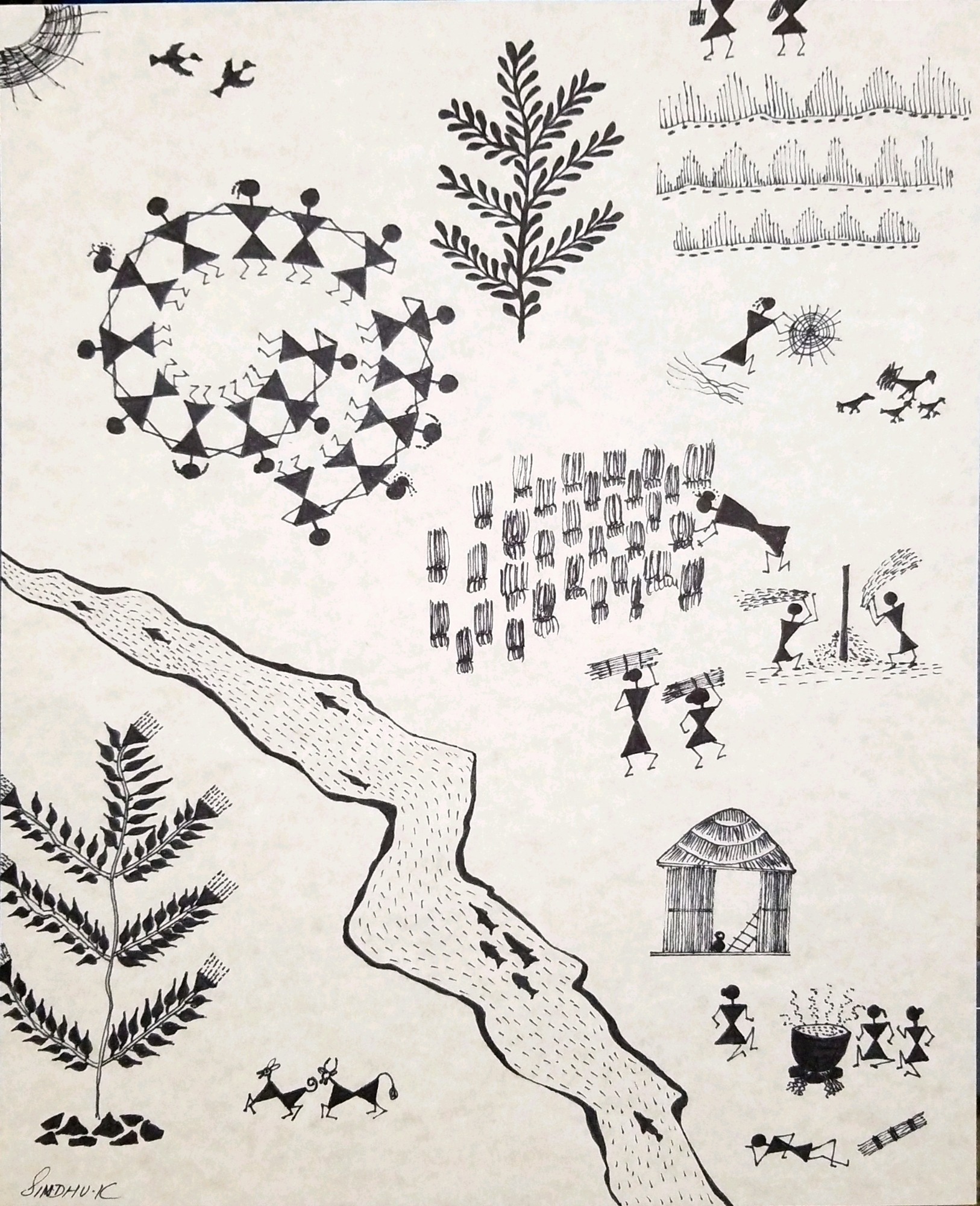
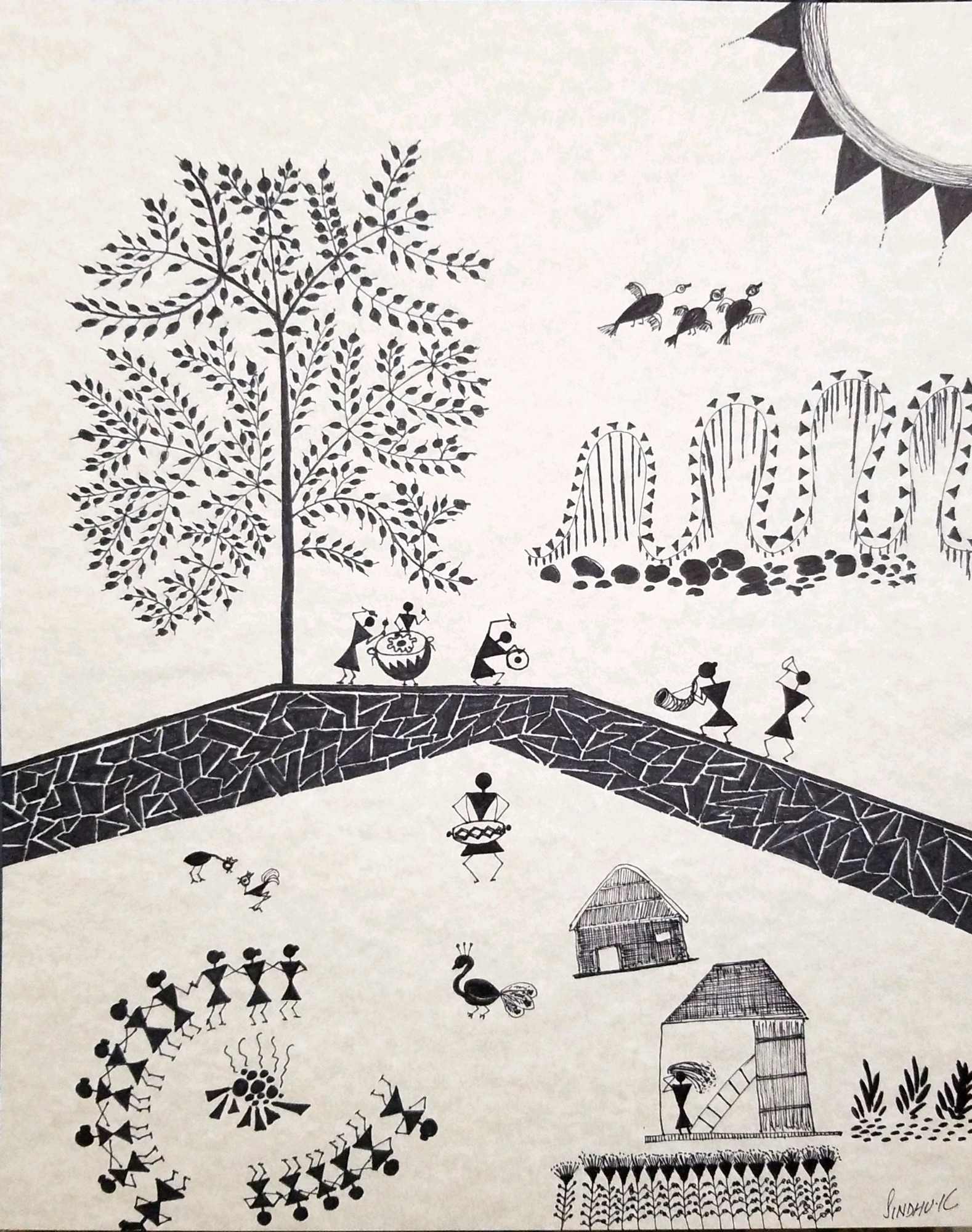
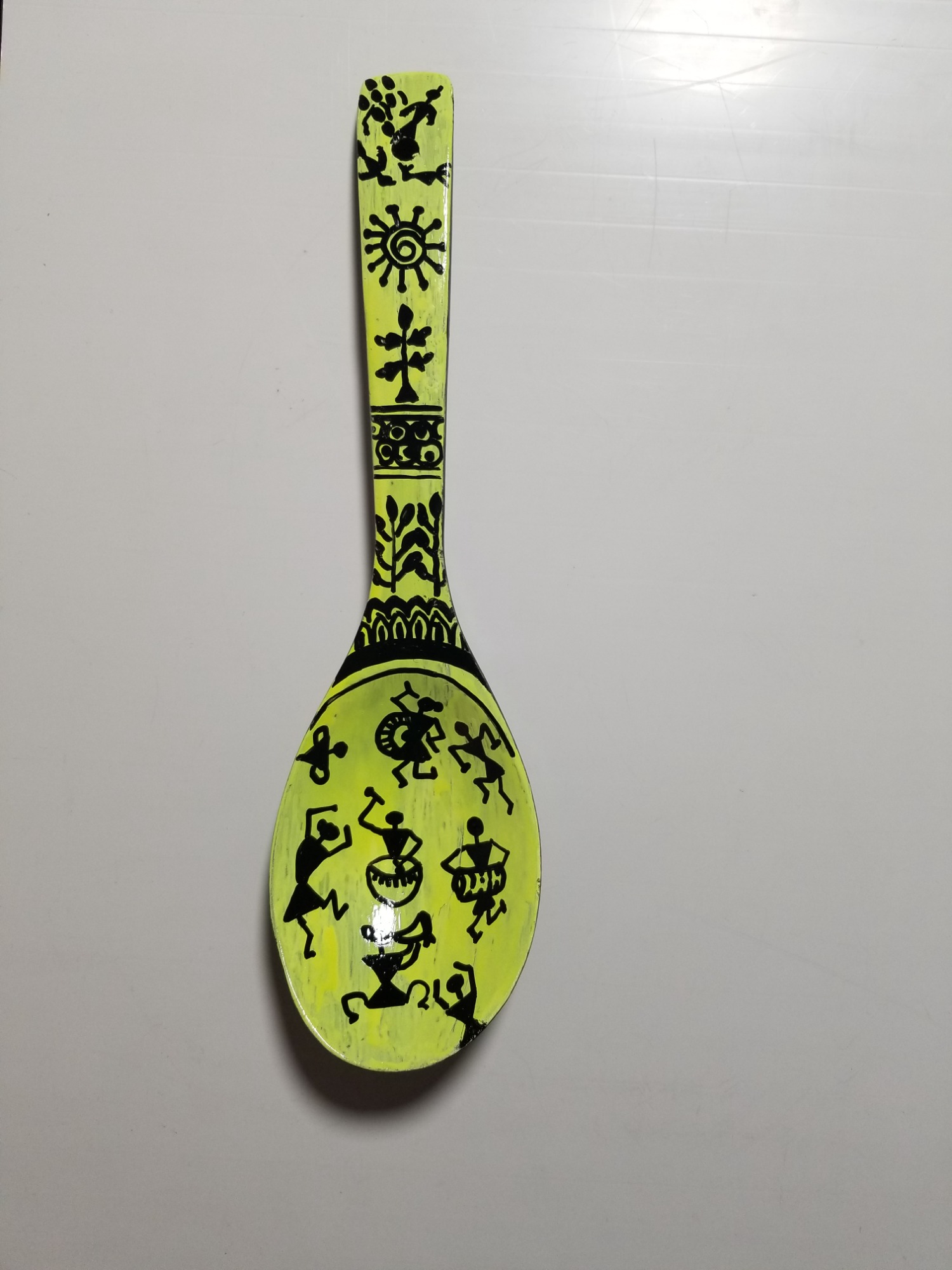
Warli Art
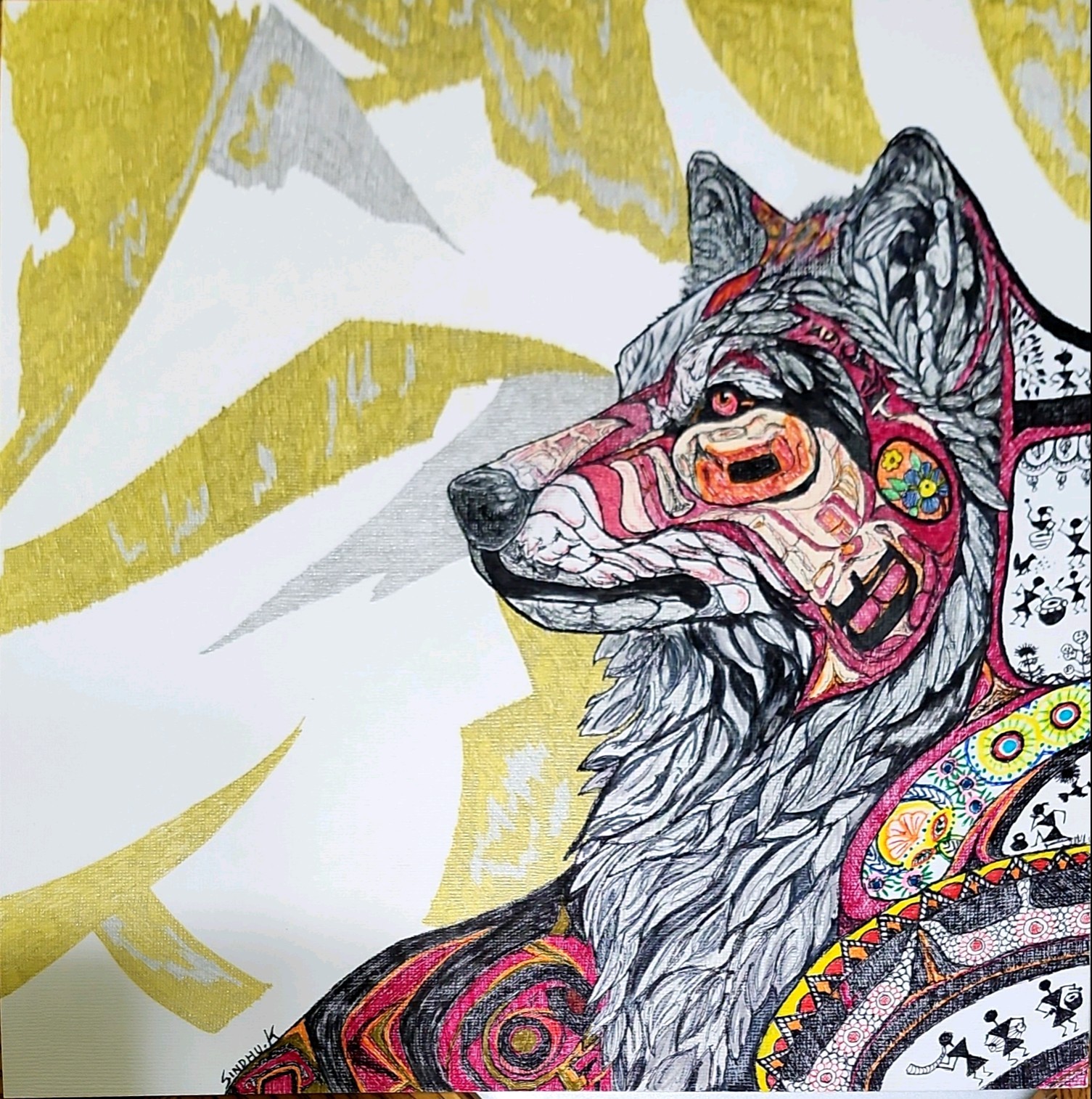
Originating from the Warli tribe in the North Sahyadri Range, this art style dates back to at least the 10th century AD, though some scholars trace its roots to as early as 2500–3000 BCE due to its resemblance to prehistoric cave paintings
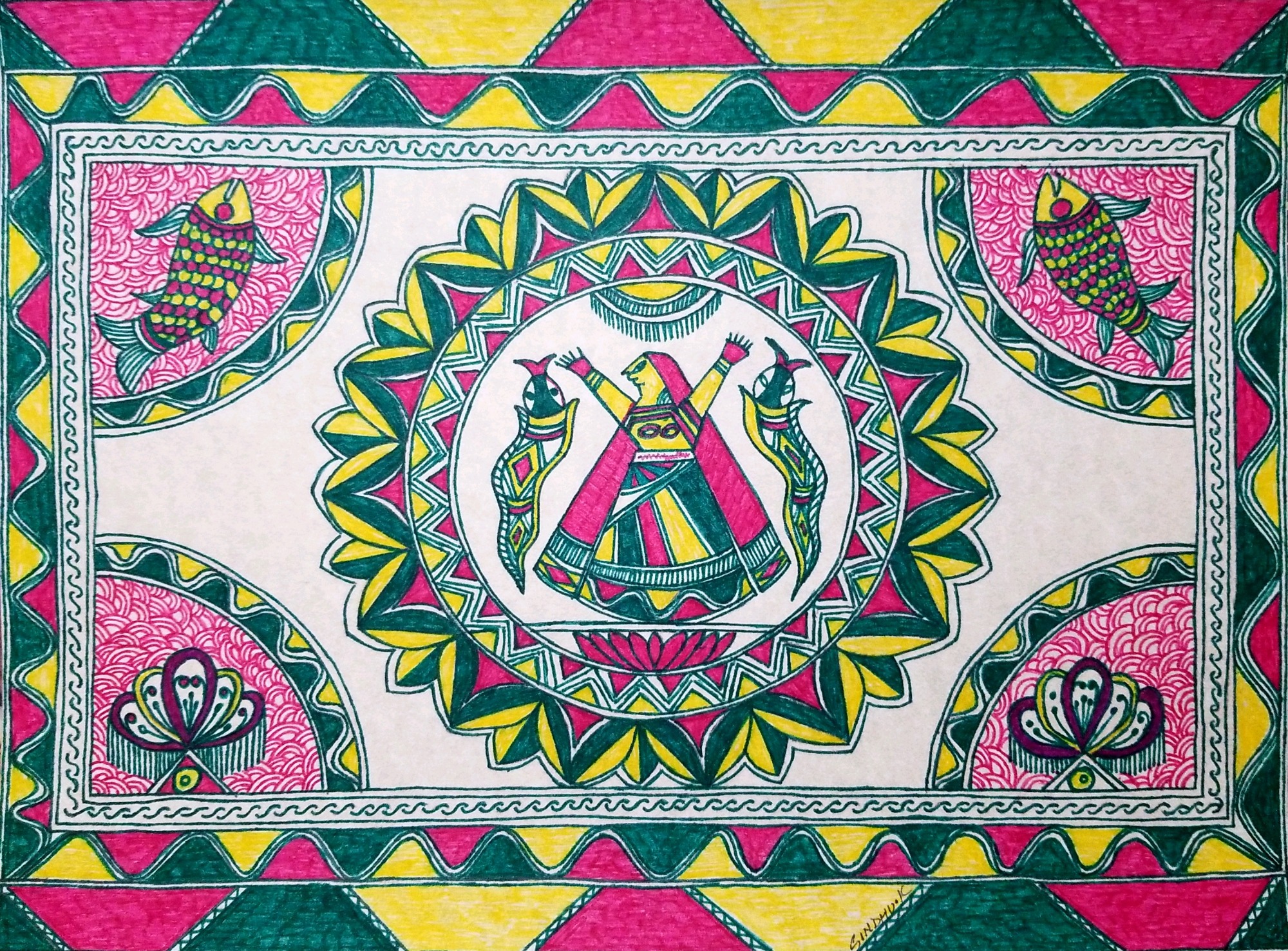
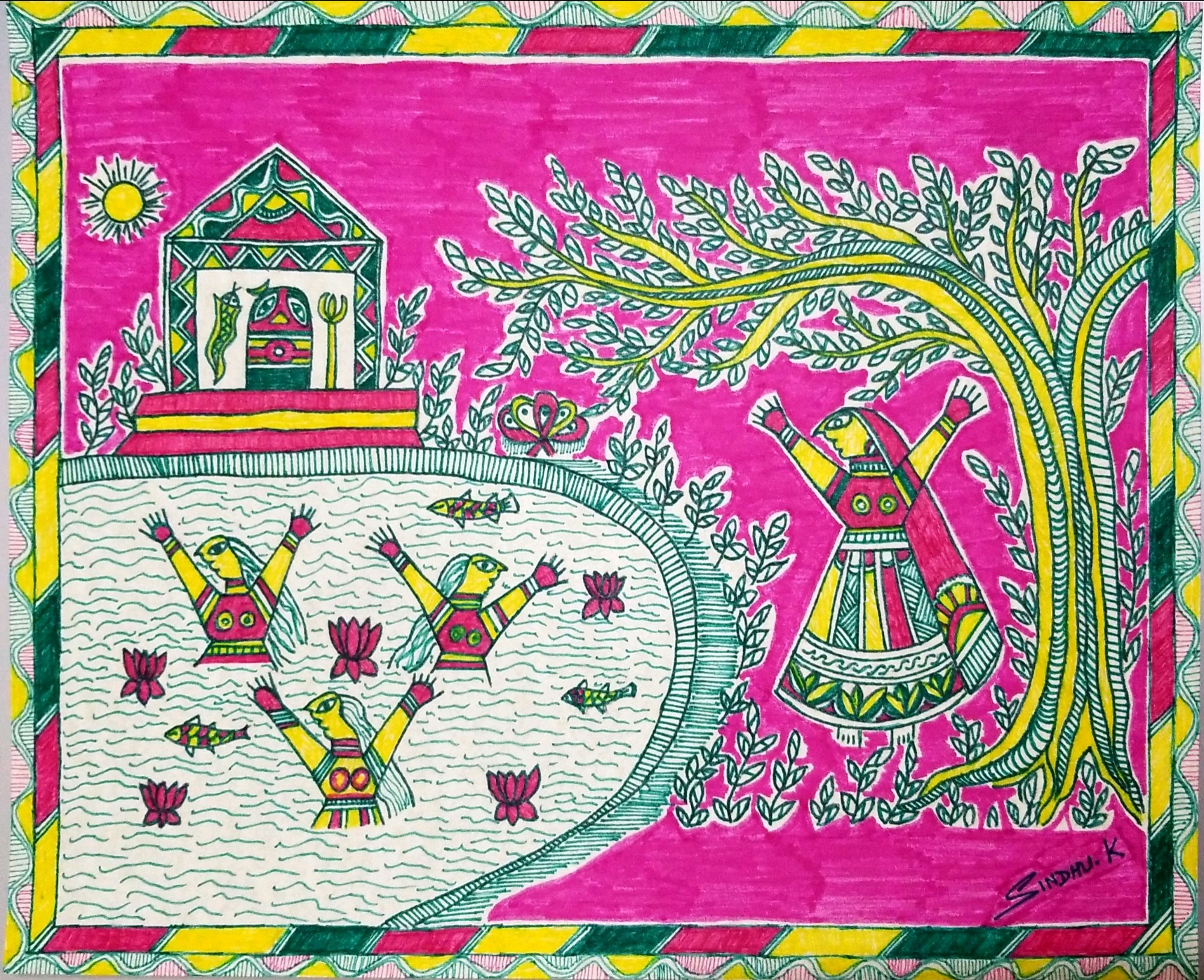
Manjusha Art
Manjusha Art is an ancient folk painting tradition from the Anga region of Bihar, India, specifically around Bhagalpur. Manjusha Art follows strict traditional rules that distinguish it from other Indian Art such as Madhubani.
Traditionally, only three colors are used: Pink, Green, and Yellow. Pink represents love and sacrifice, Green symbolises prosperity and nature and Yellow represents growth and auspiciousness
Manjusha Art is also referred as "Snake Painting"
Bhil Art
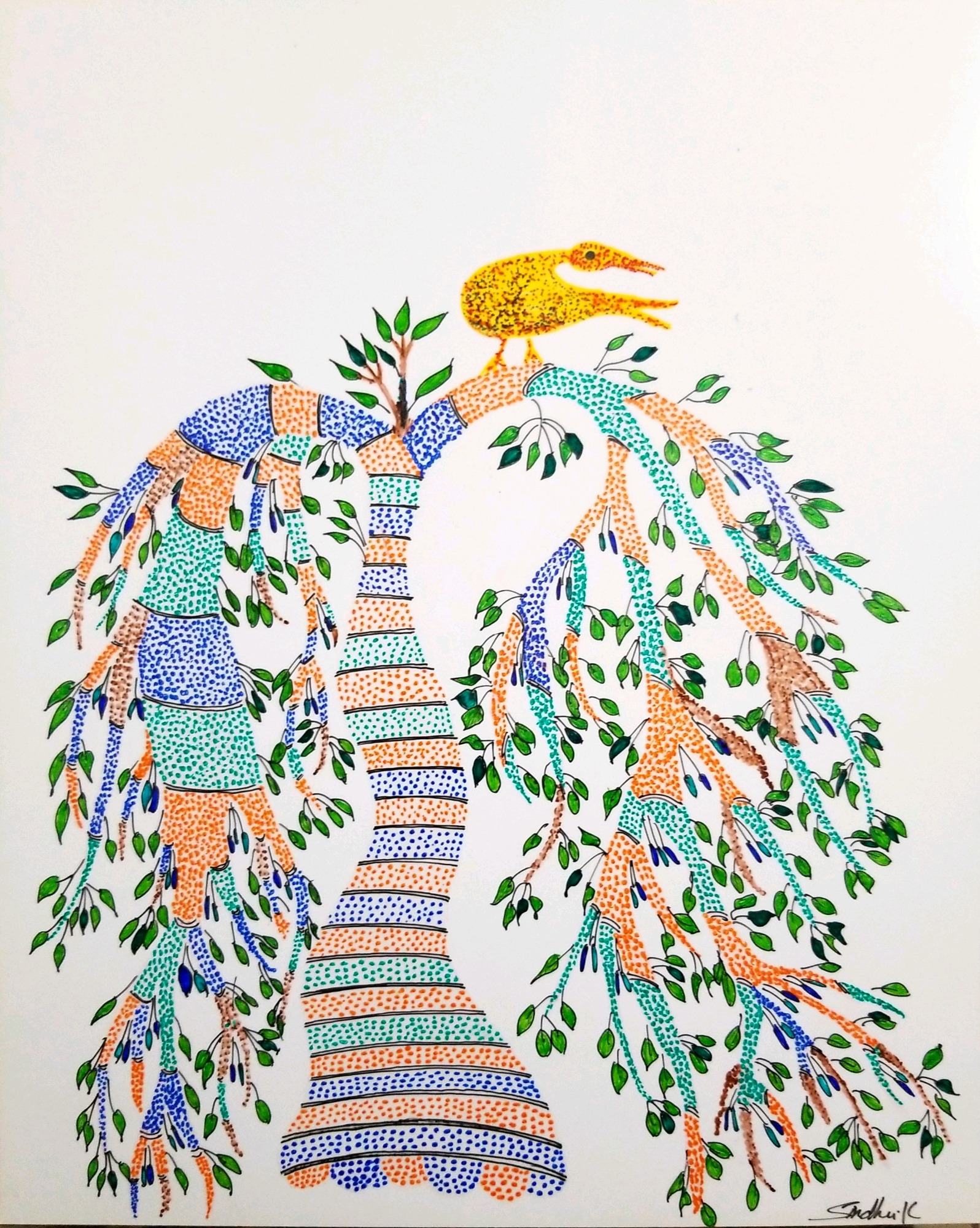
Bhil Art is an ancient tribal art form from Central India, primarily practiced by the Bhil community across Madhya Pradesh, Rajasthan, Gujarat, and Maharashtra. It is widely recognized for its signature dot patterns, where images are meticulously built using thousands of multicolored dots. Historically, these paintings served as ritualistic offerings to deities
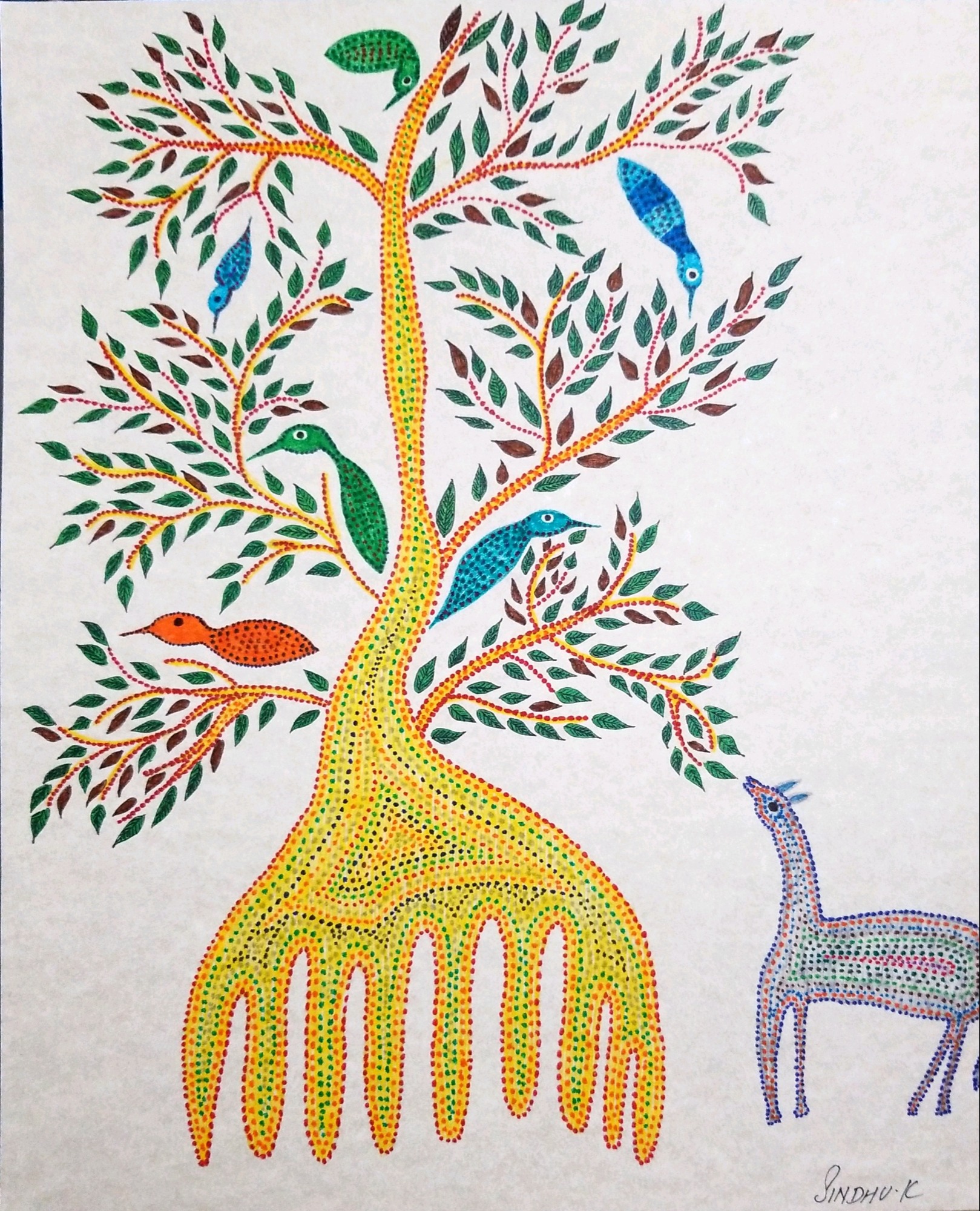
Kerala Mural Art
Kerala Mural Art is a vibrant, ancient fresco tradition that originated in the 8th century CE to adorn the walls of temples and palaces in Kerala, India.
Traditional murals strictly use a five-color palette called Panchavarna, where colors are symbolic of the character's internal qualities.
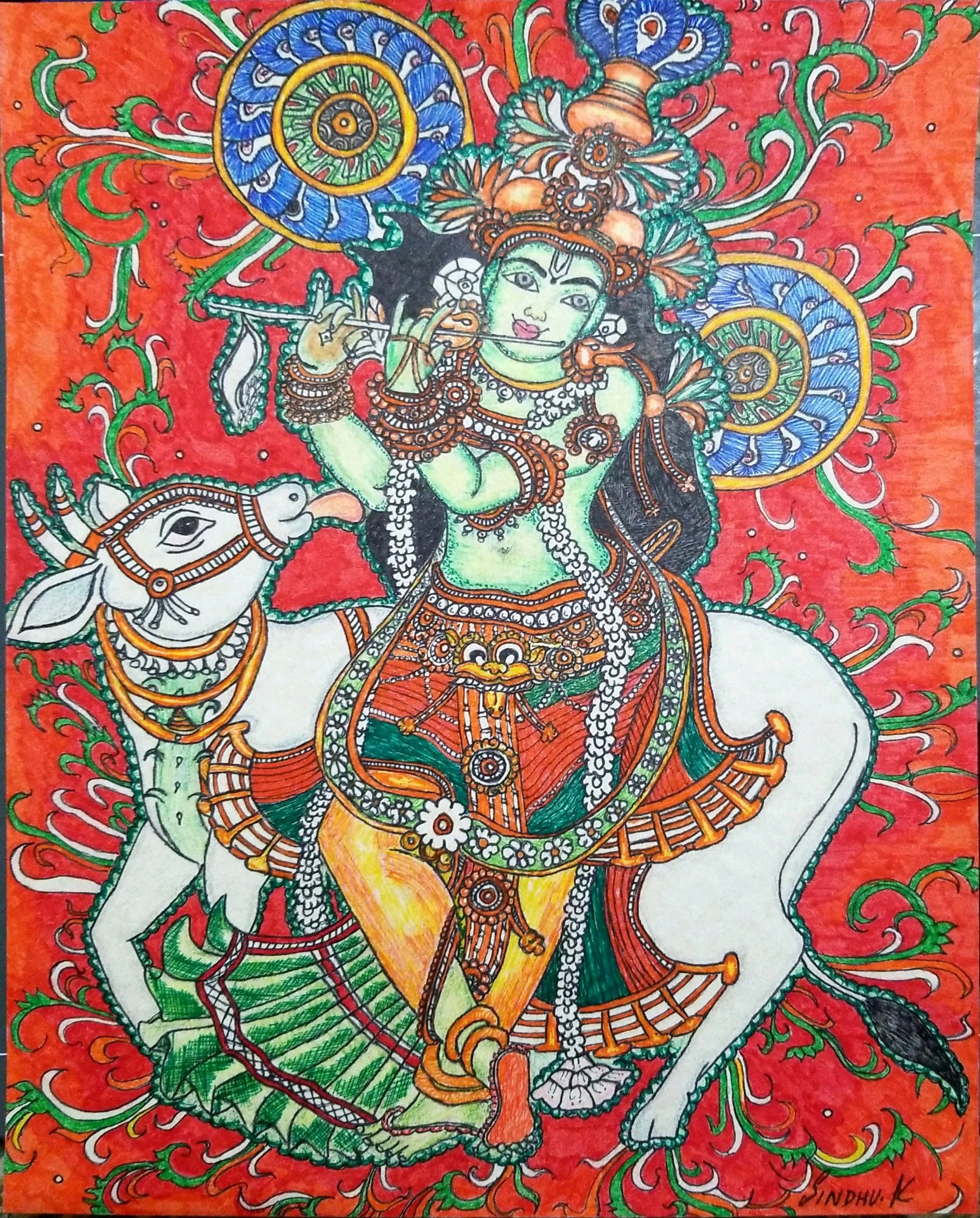
Gond Art
Gond Art is a visionary folk art from the Gond tribal community of Central India, primarily from Madhya Pradesh. It is world-renowned for its intricate "on-line" work, where larger shapes are meticulously filled with signature patterns—dots, dashes, and swirls
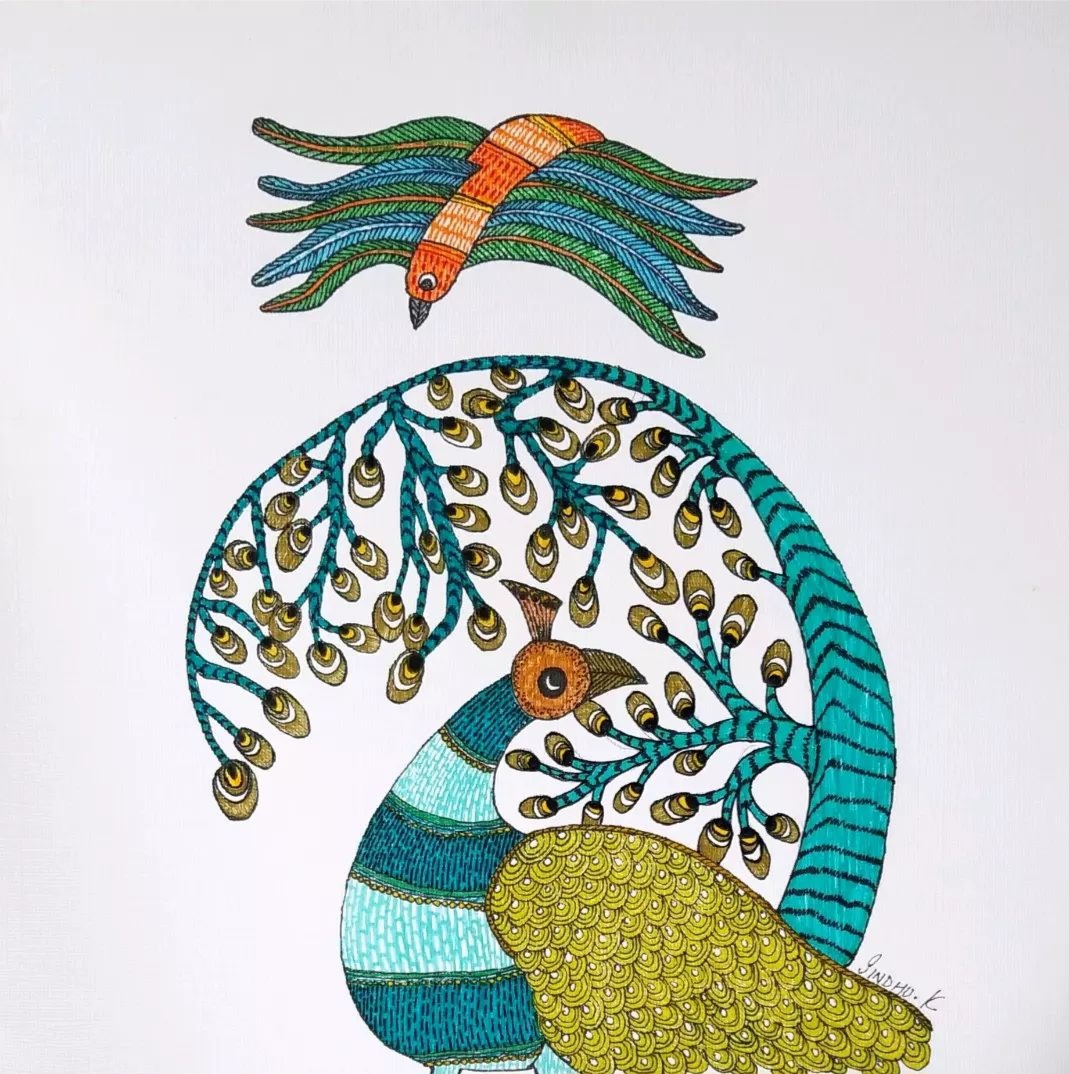
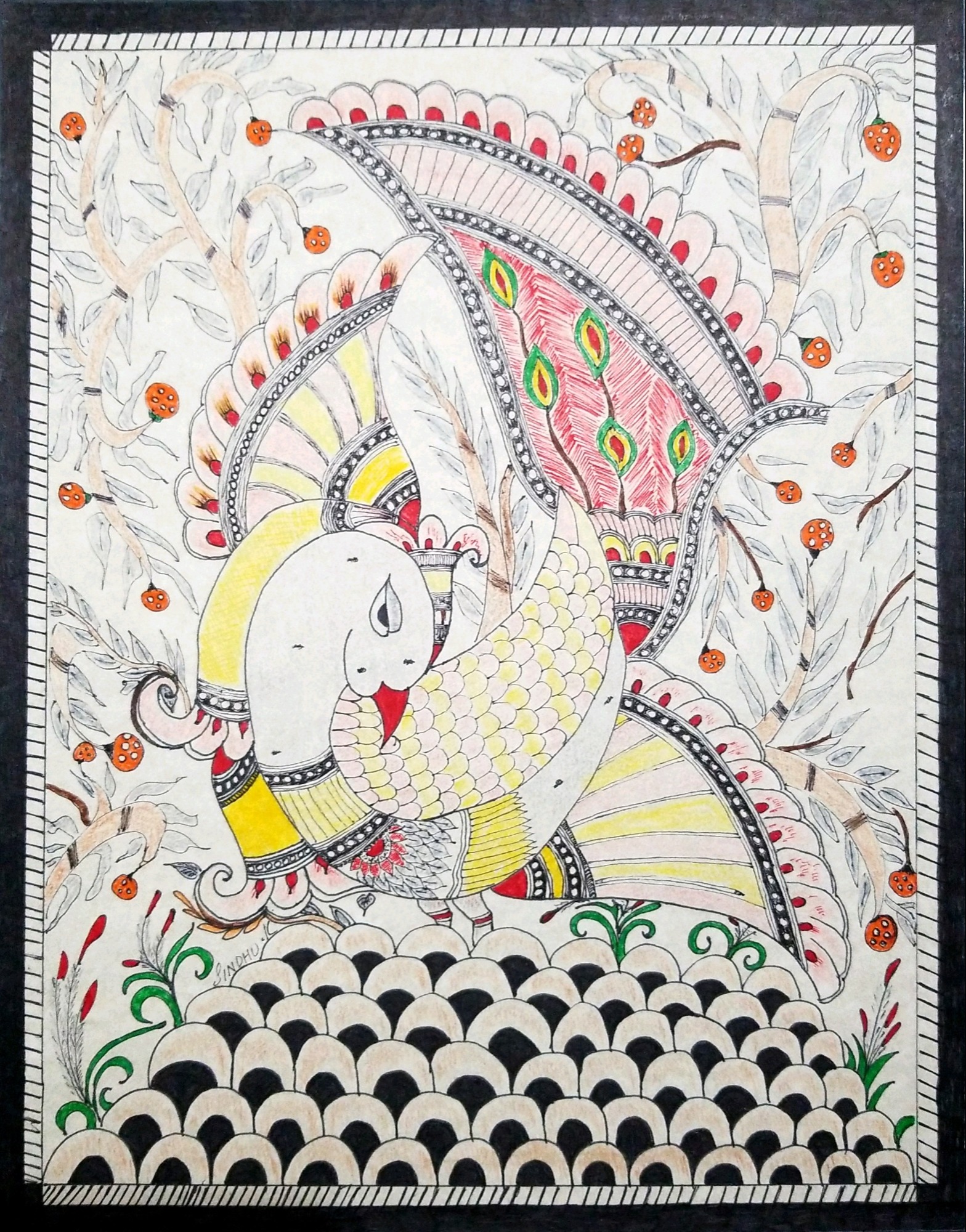
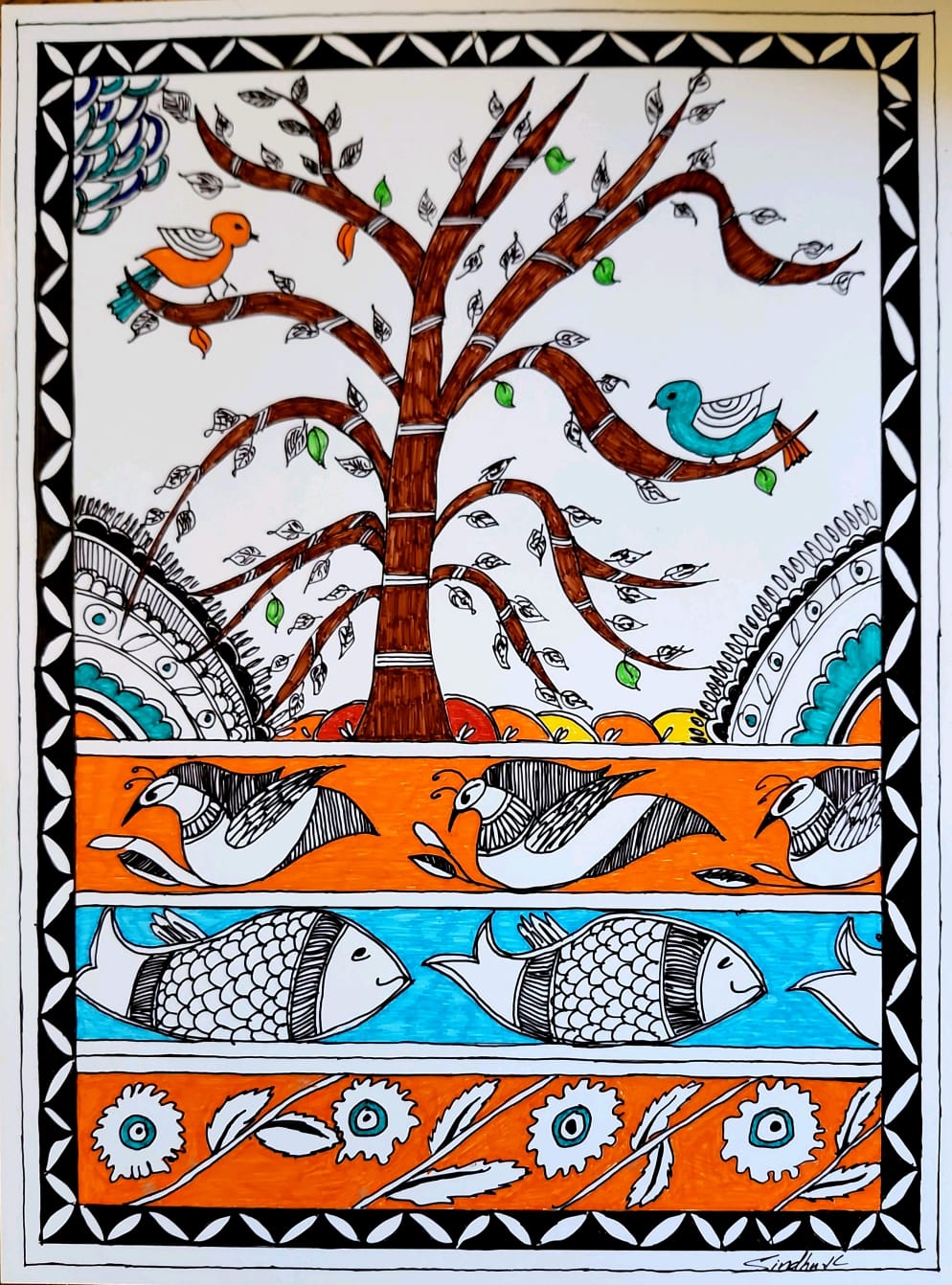
Madhubani Art (Mithala Art)
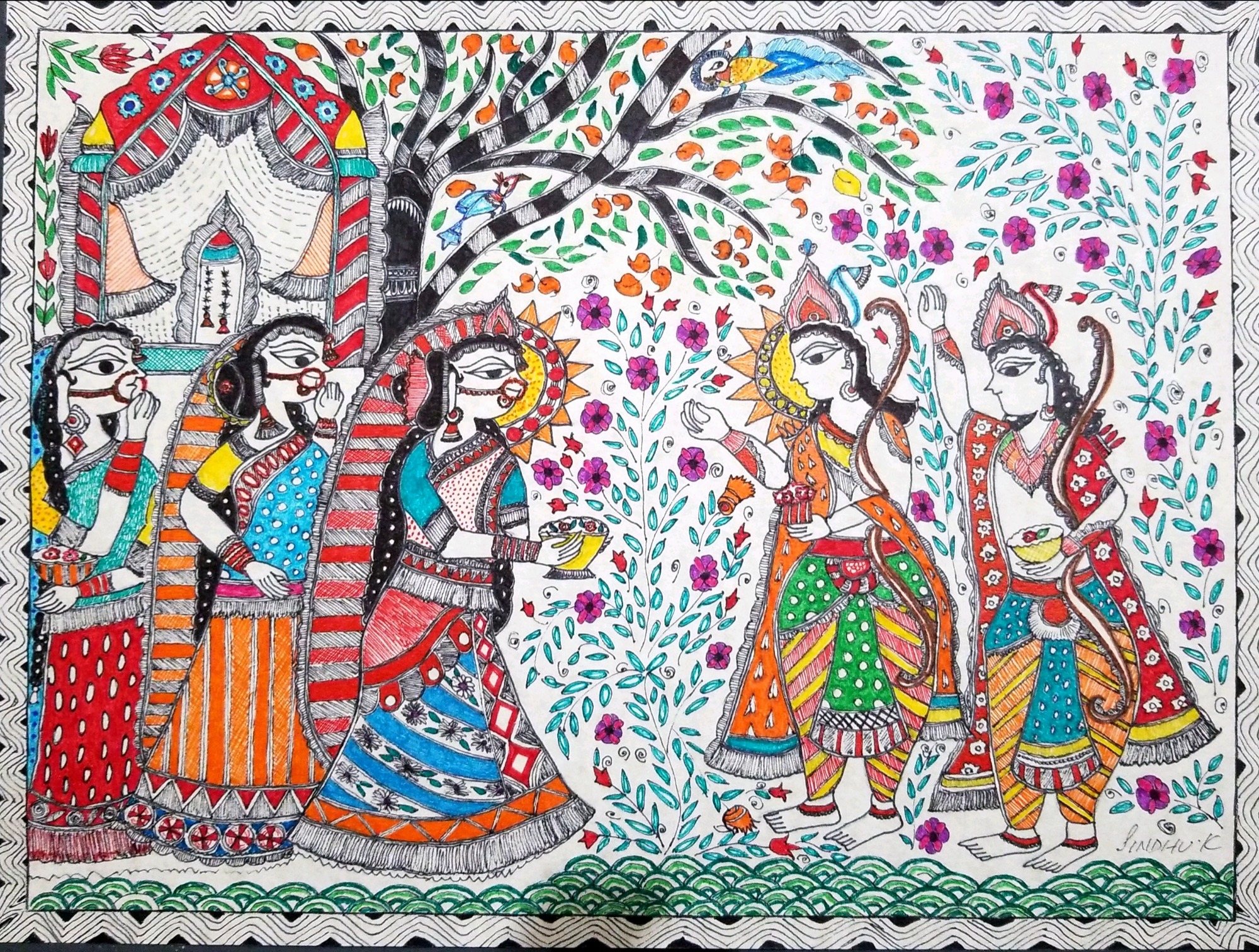
Madhubani Art, also known as Mithila Painting, is a legendary folk art form originating from the Mithila region of Bihar, India and parts of Nepal. Madhubani has evolved into five unique styles:
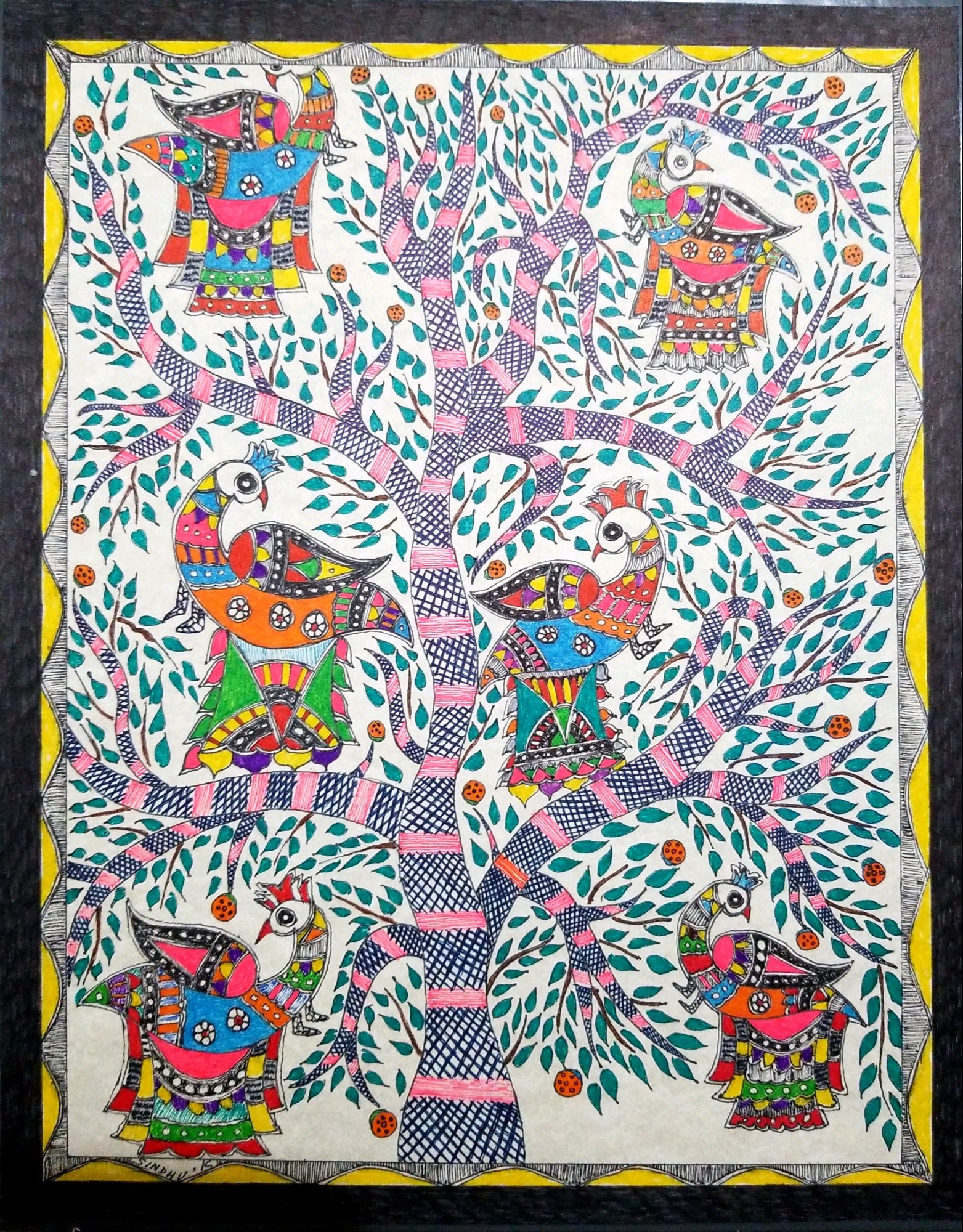
- Bharni: Known for its vibrant, solid colors and bold black outlines. It traditionally depicts Hindu deities
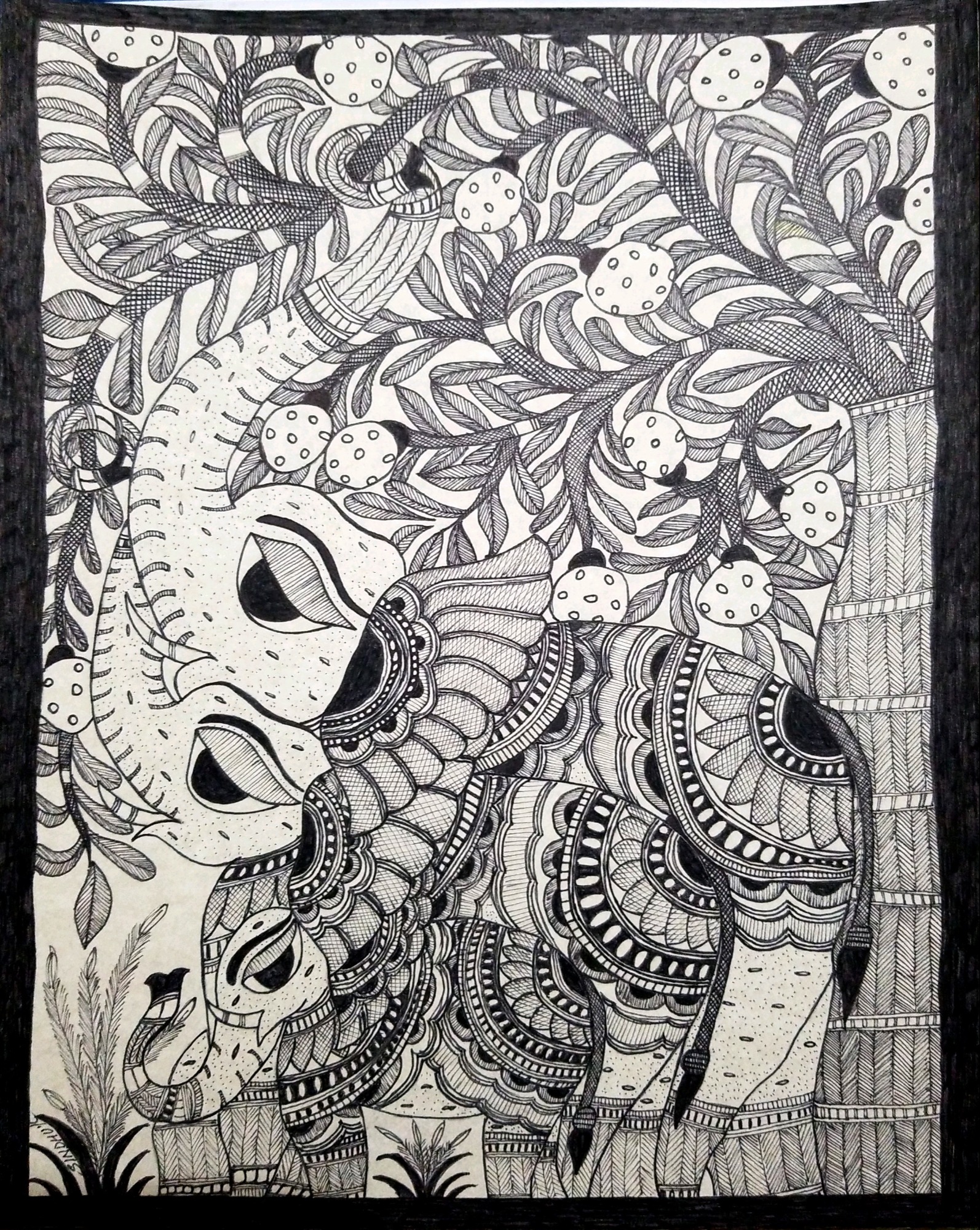
- Kachni: Focuses on intricate line work rather than solid colors. It often uses monochrome or just two colors, with figures filled in using fine hatching and stippling.
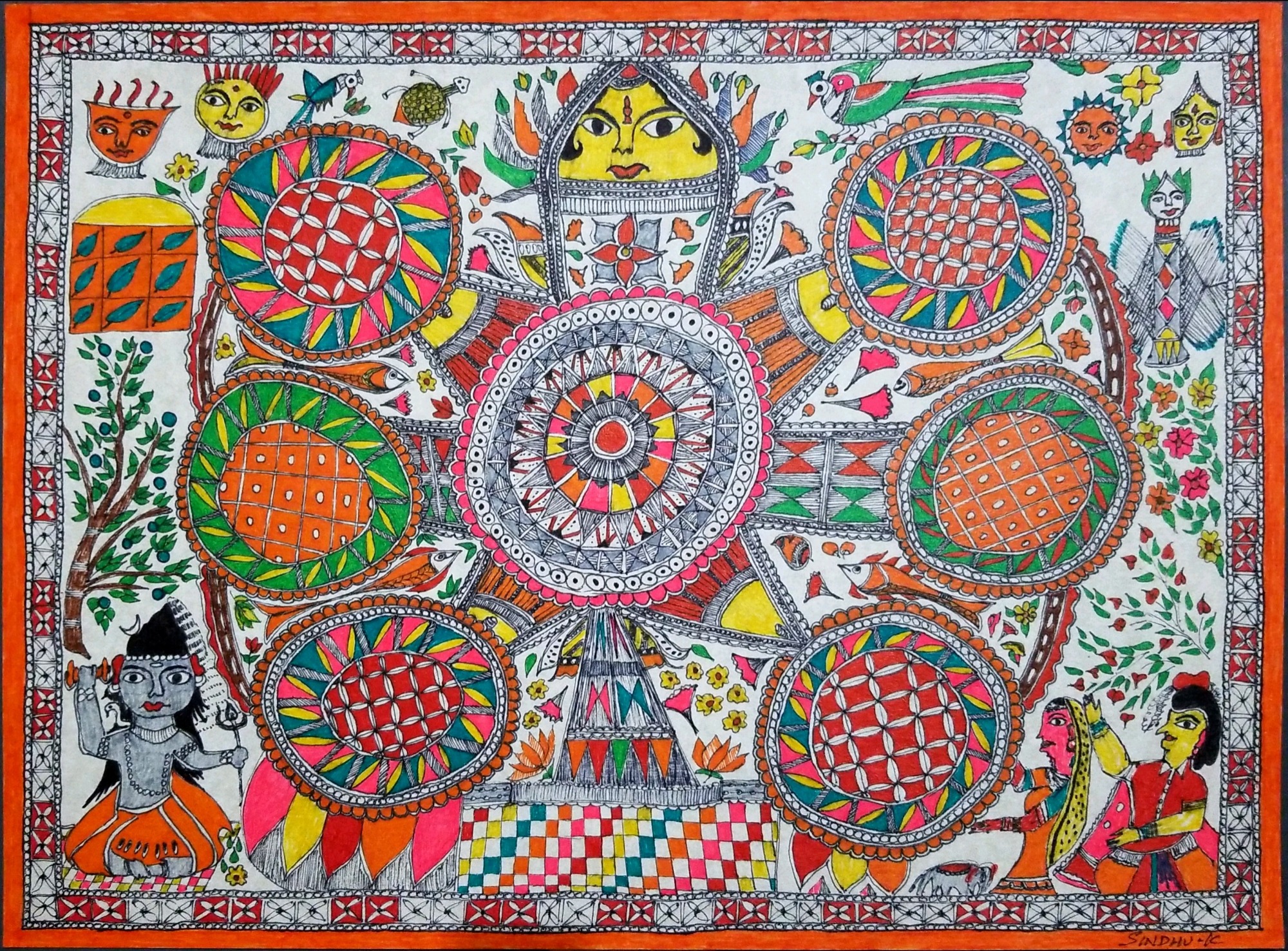
- Tantrik: Primarily depicts religious and tantric symbols like the Yantra, used for spiritual rituals and worship.
- Godna (Tattoo): Characterized by rows of flowers, animals, and concentric circles.
- Kohbar: Highly ritualistic, these are traditionally painted in the nuptial chamber (Kohbar Ghar) to bless newlyweds.
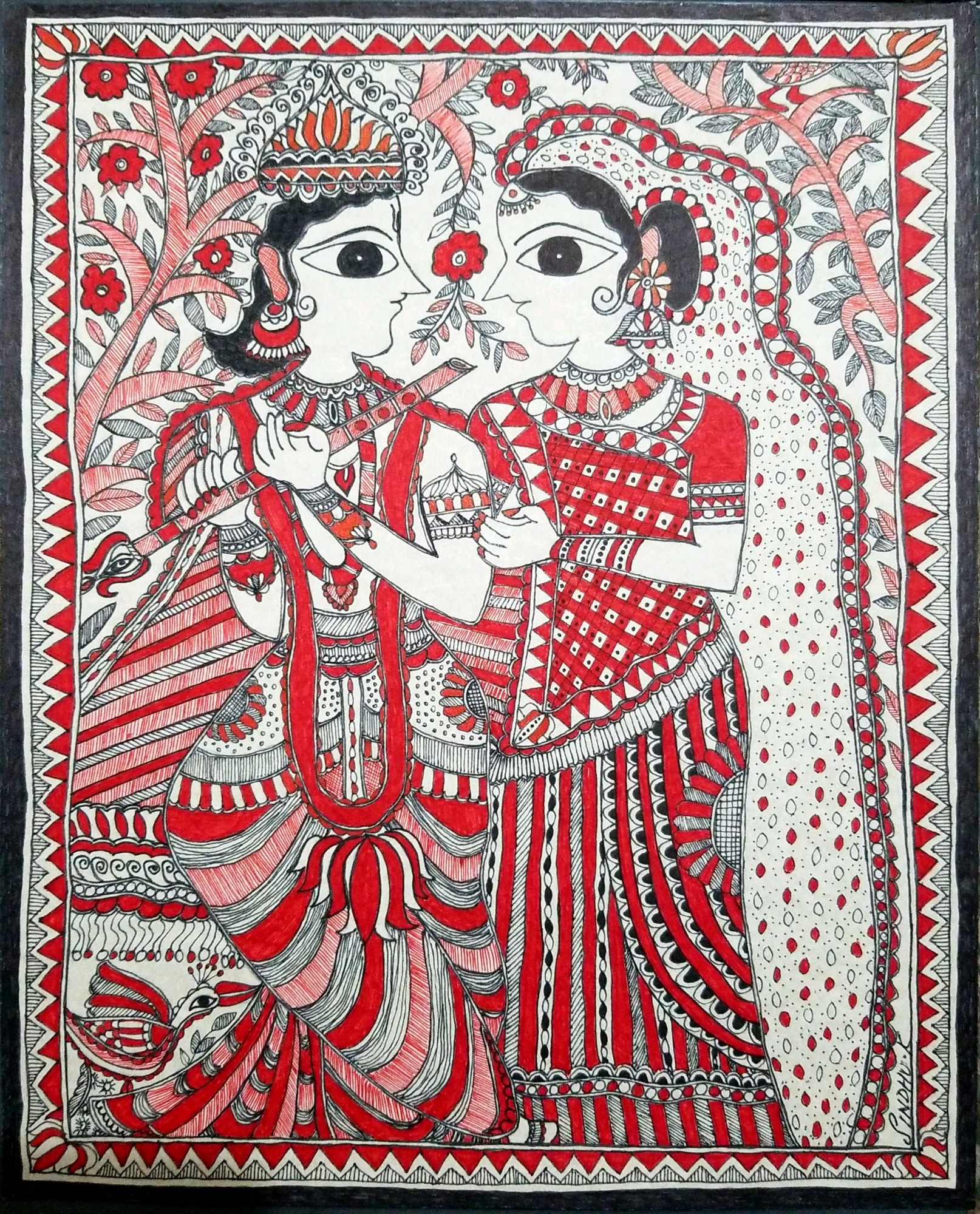
Kalamkari Art
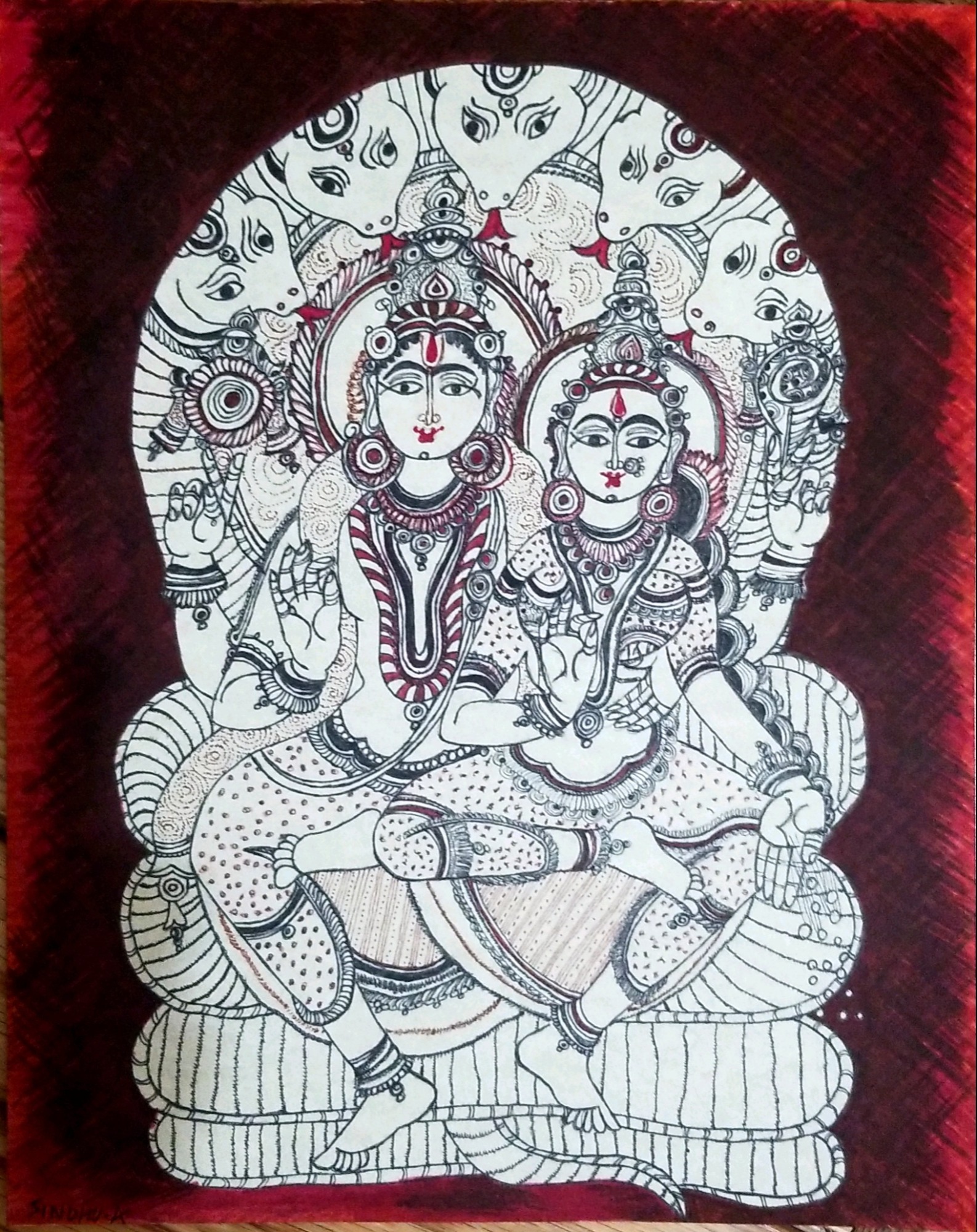
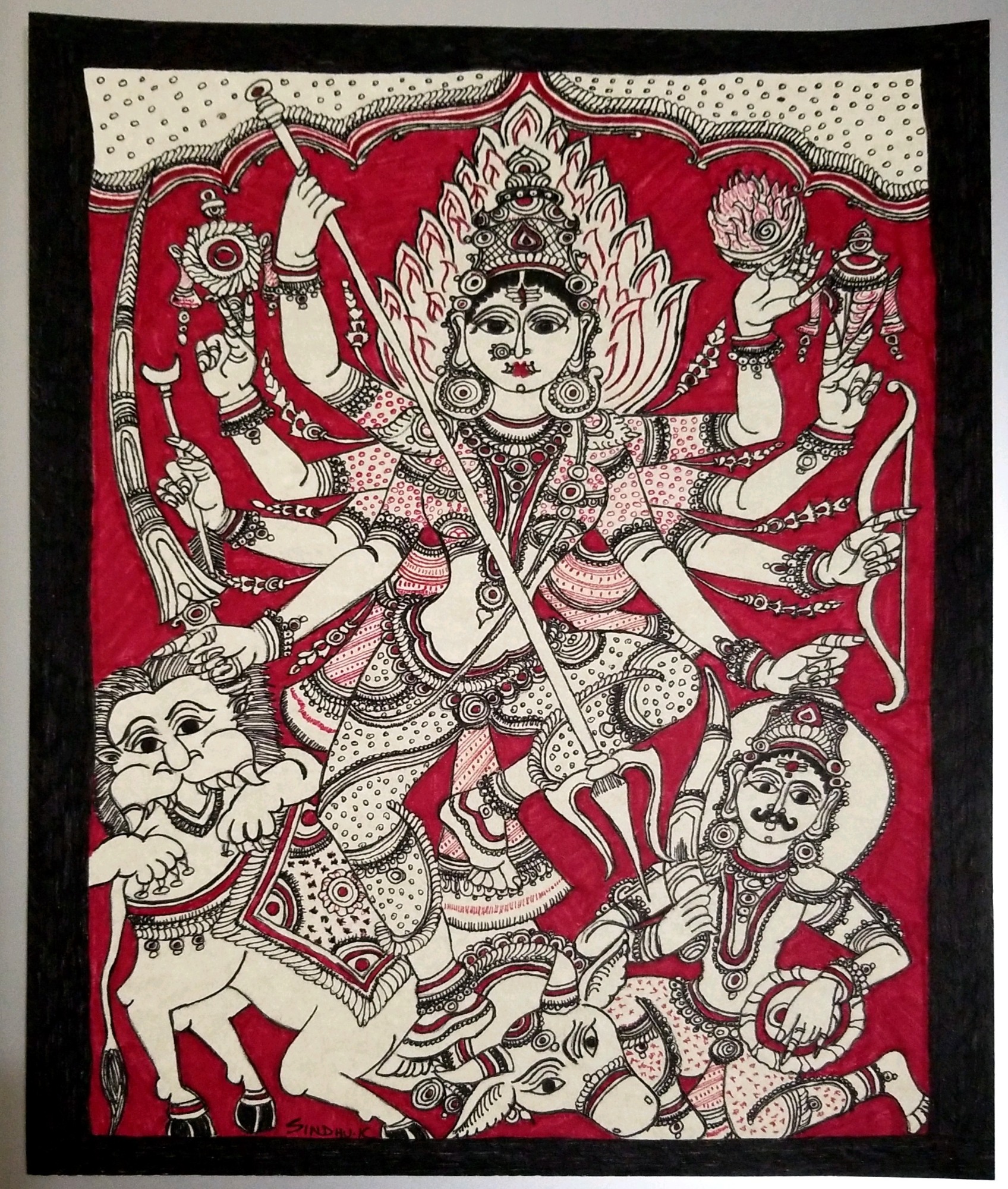
Kalamkari is a centuries-old Indian textile art form that involves hand-painting or block-printing on fabric using only natural dyes. Originating in the modern-day states of Andhra Pradesh and Telangana, its name is derived from the Persian words Kalam (pen) and Kari (craftsmanship), literally meaning "pen work".
The art is categorized into two distinct regional styles, each with its own focus and technique: Srikalahasti Style and Machilipatnam Style (influenced by Persian trade)
Eclectic
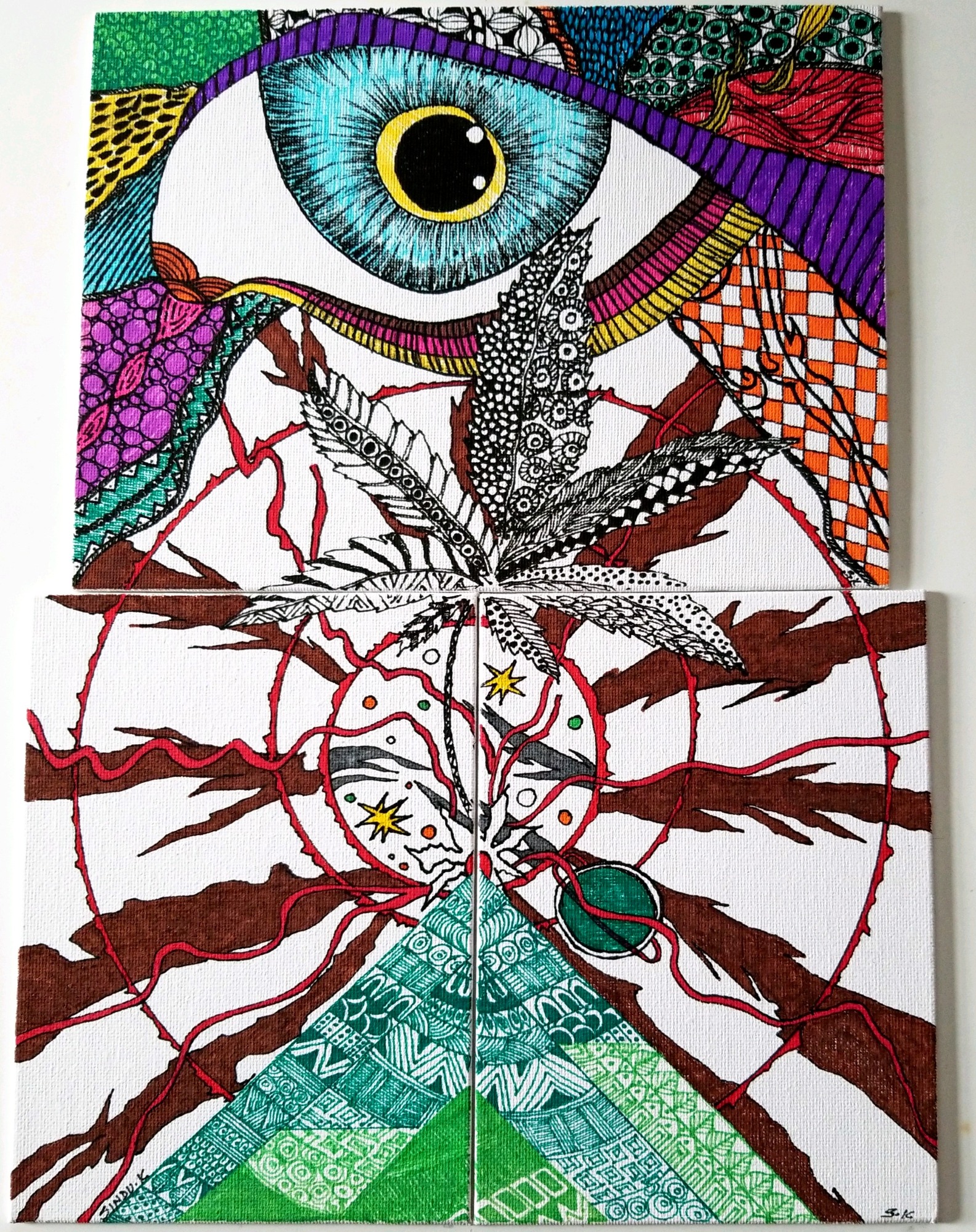
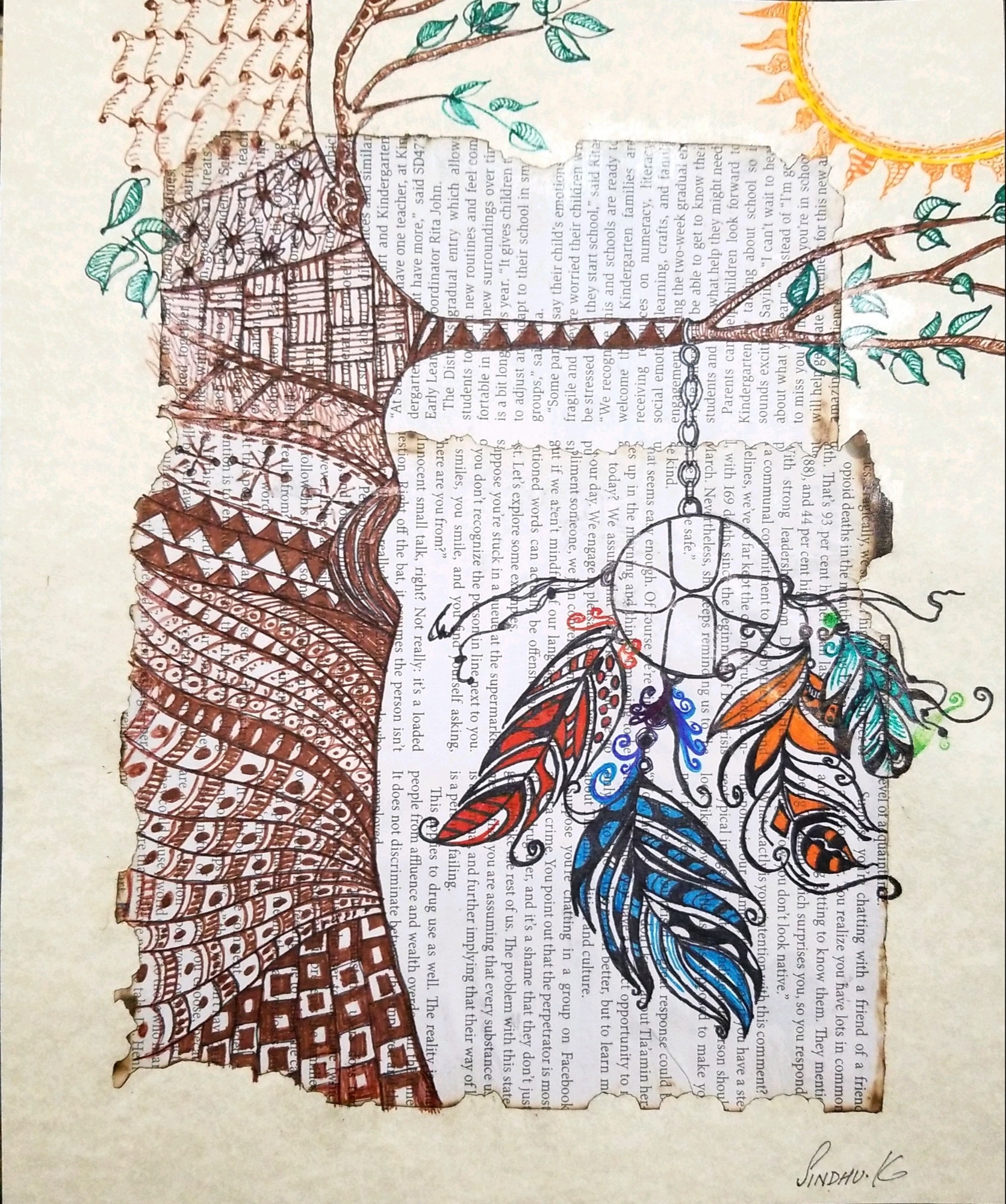
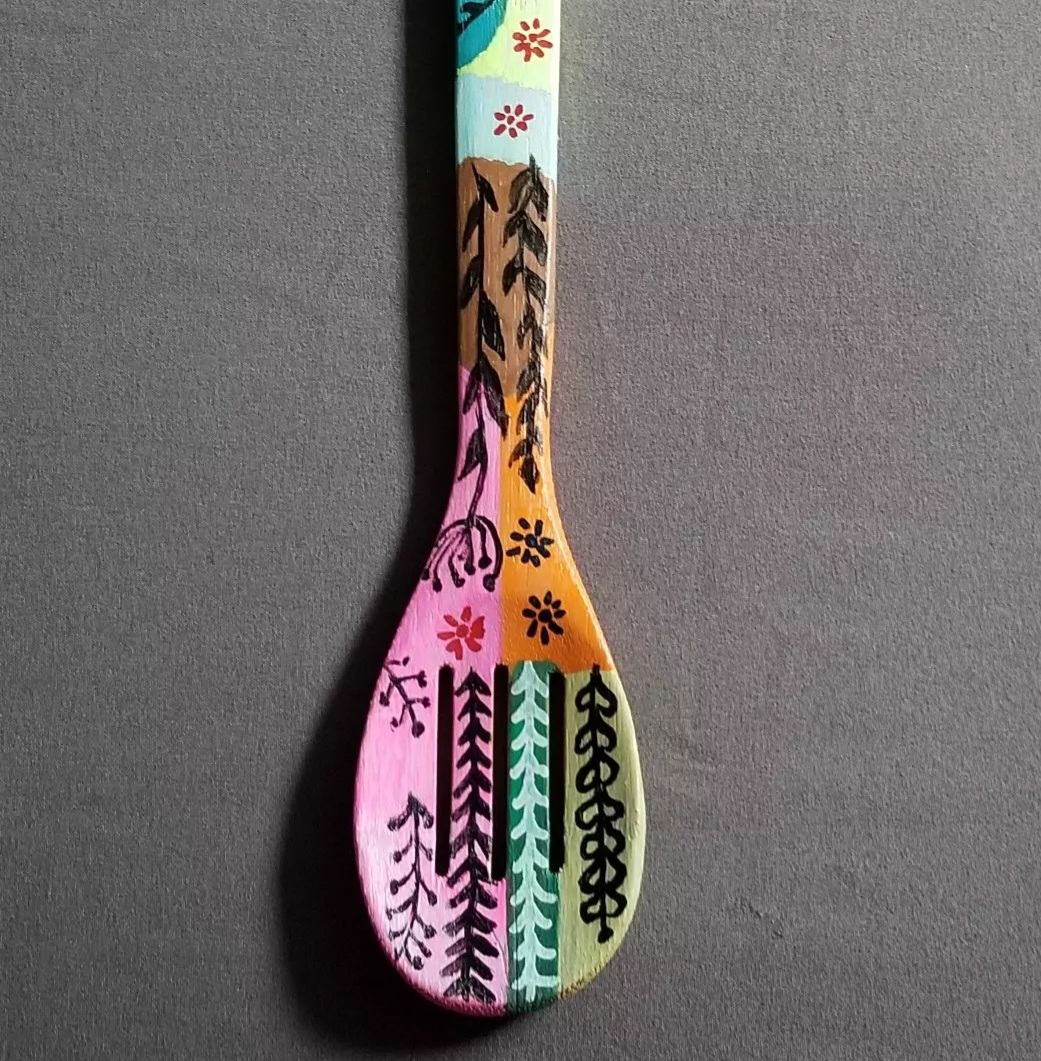
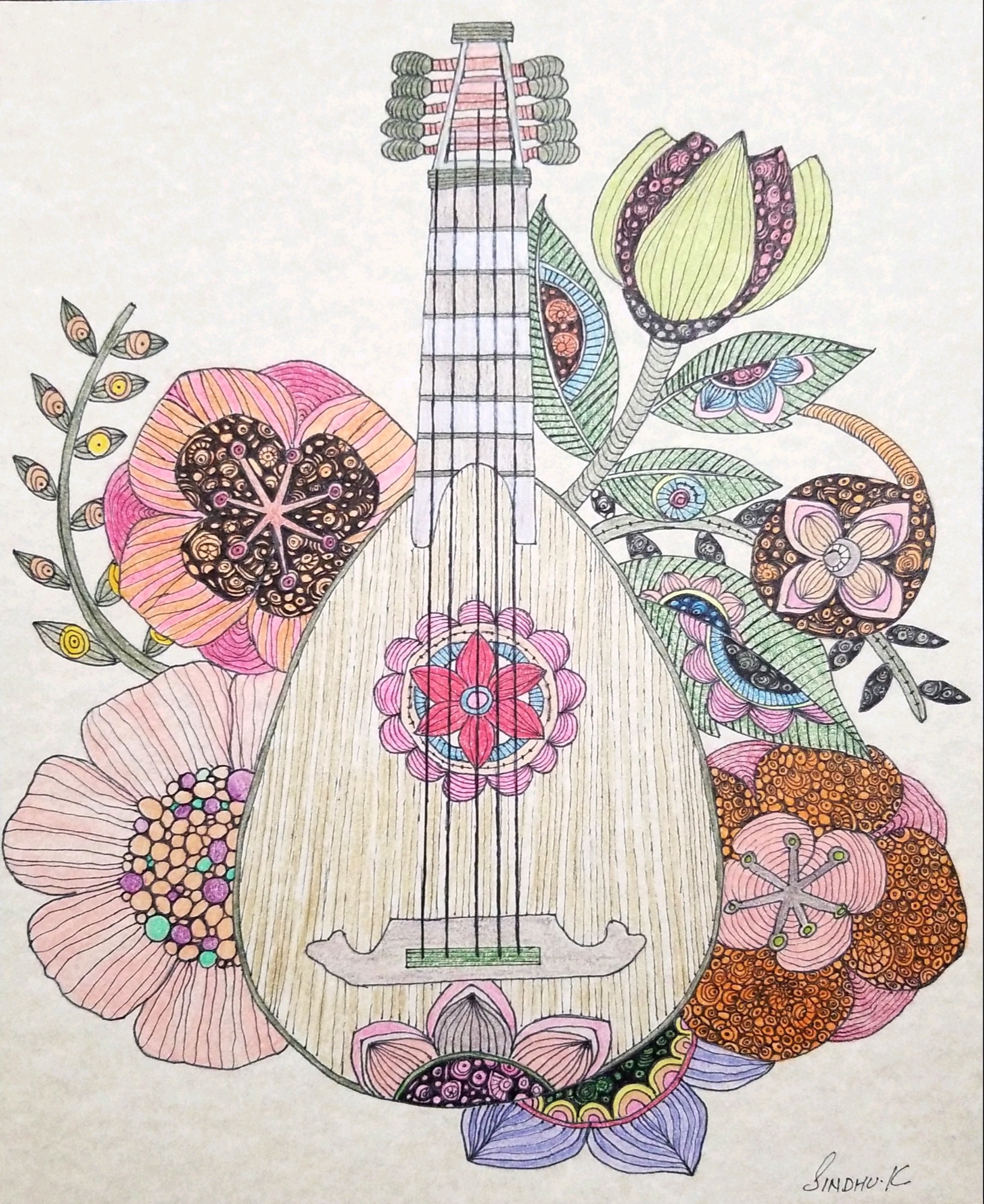
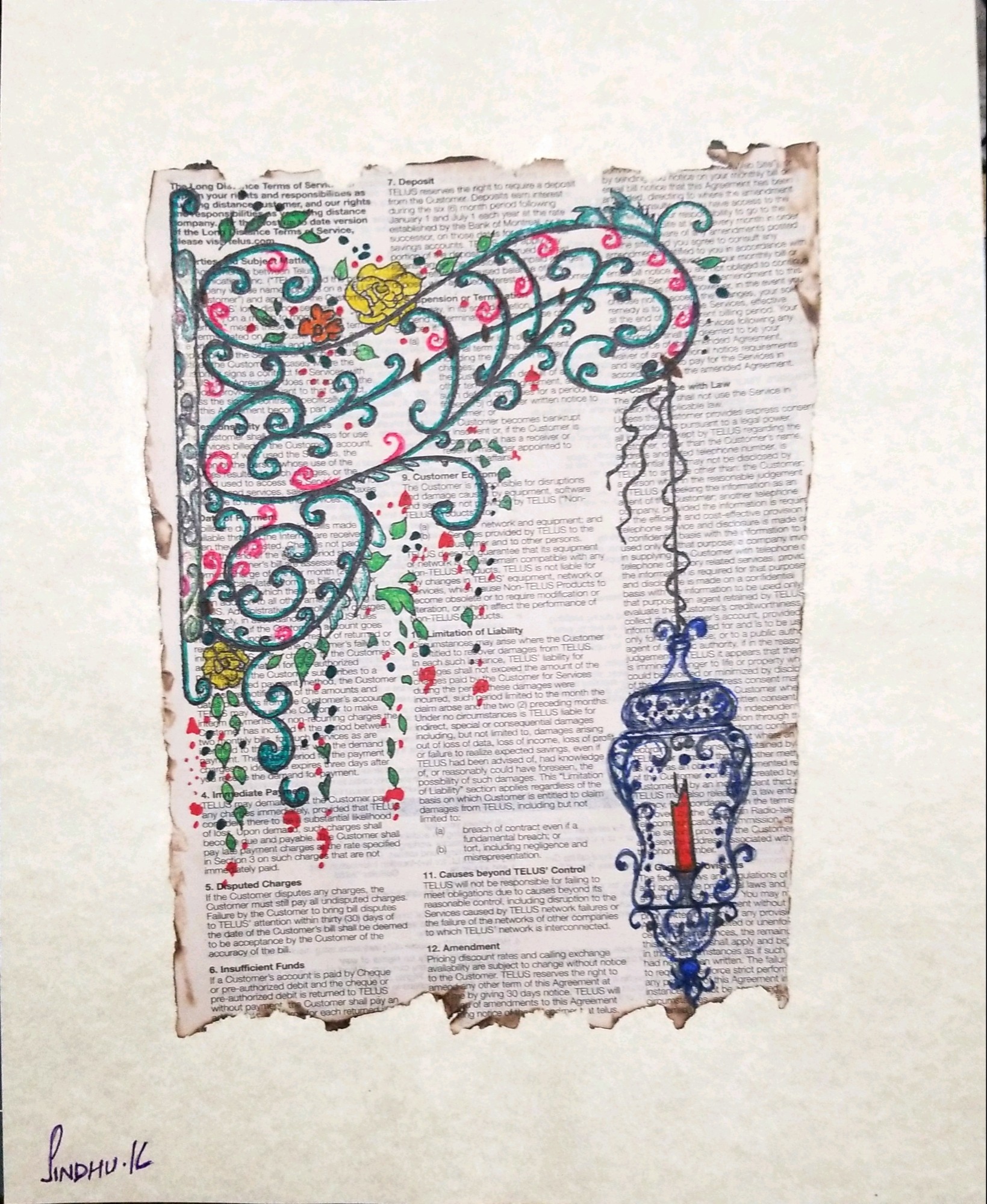
Exploring the exciting realm of art using recycled materials and other diverse techniques